
DIY Pool Cleaning Tips to Keep Your Pool Sparkling


Essential Tools for Pool Cleaning
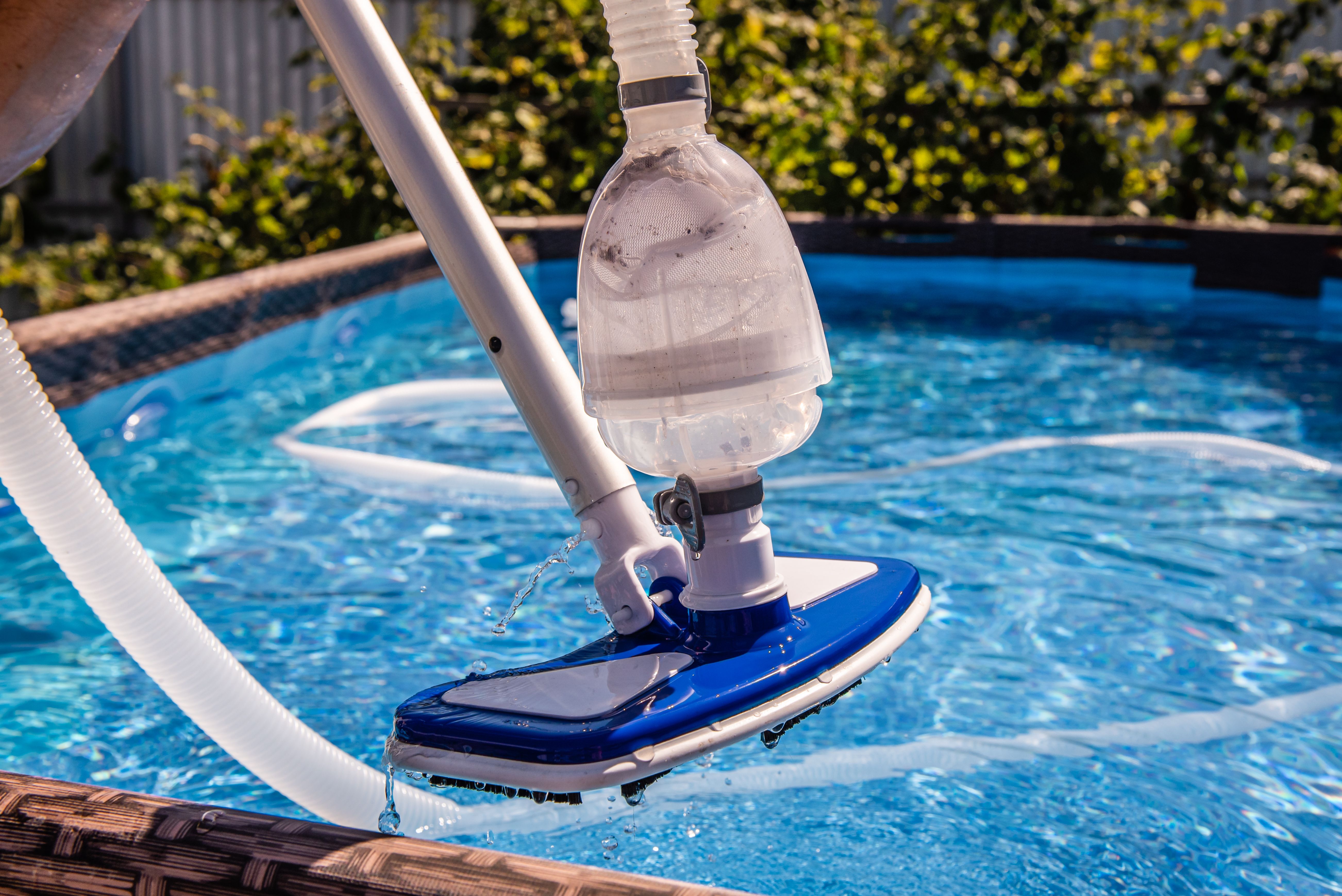
Keeping your pool pristine requires the right tools. Invest in a good quality pool skimmer, a pool brush, and a vacuum. A skimmer helps remove leaves, debris, and bugs from the water's surface, while a brush aids in scrubbing the walls and floor. A vacuum, whether manual or automatic, is crucial for deep cleaning.
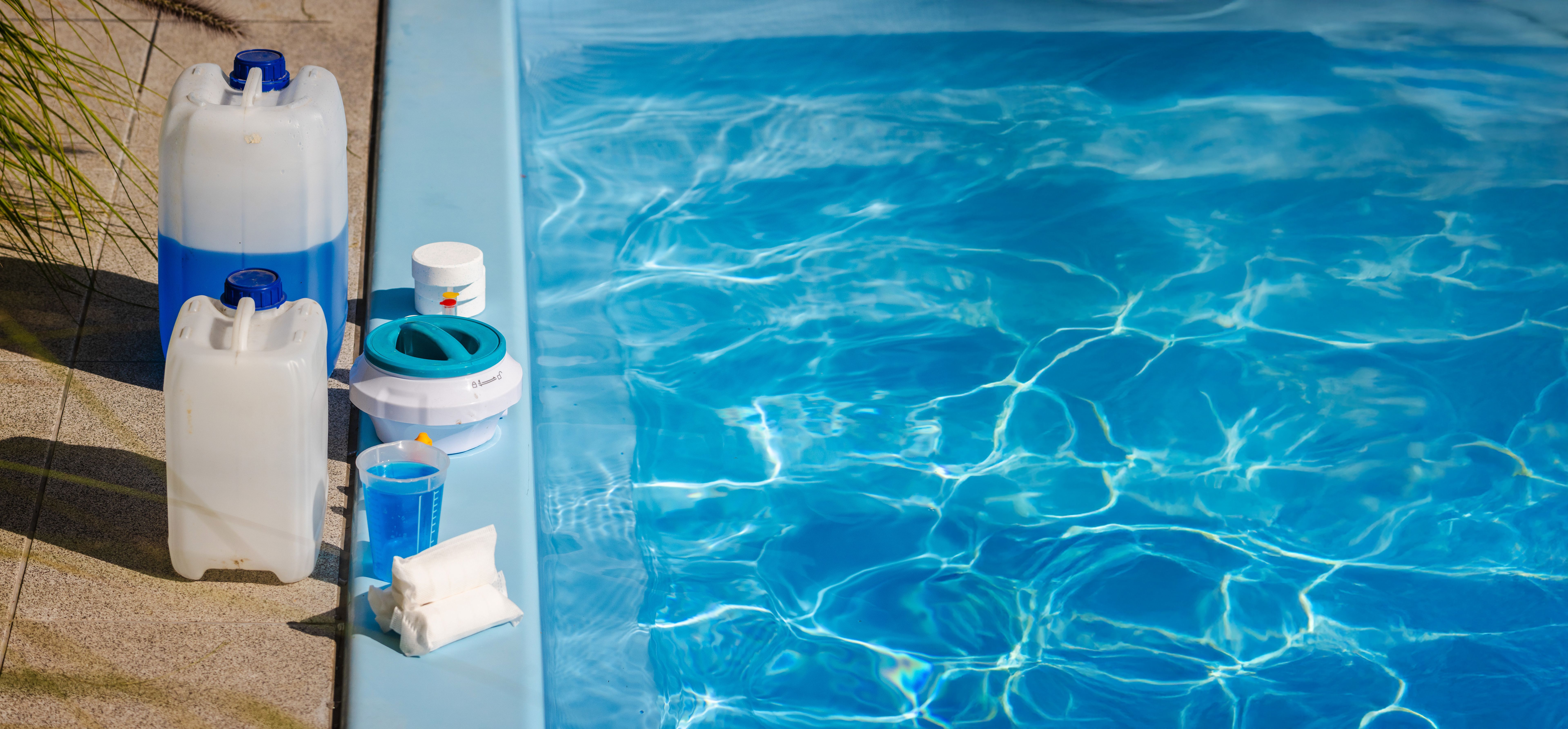
Additionally, a water testing kit is essential to maintain proper chemical balance. Regular testing can prevent algae growth and ensure a safe swimming environment. Don't forget to have a supply of pool chemicals such as chlorine and pH balancers on hand.
Regular Skimming and Brushing
Skimming your pool daily keeps it looking clean and prevents debris from sinking to the bottom. Use your skimmer to remove leaves, bugs, and other floating items. This simple task can save you a lot of time during deep cleaning sessions.
Brushing the walls and floor of your pool at least once a week is vital. Algae and mineral buildup can cling to surfaces, leading to stains and slippery areas. Use a brush suited for your pool's material, whether it's fiberglass, vinyl, or concrete.
Vacuuming Your Pool
Vacuuming your pool is an effective way to remove debris that has settled at the bottom. You can choose between manual and automatic pool vacuums. Manual vacuums require more effort but give you control over the cleaning process.
Automatic vacuums, on the other hand, save time and effort. They come in suction-side, pressure-side, and robotic types. Choose one based on your pool's size and your cleaning preferences.
Maintaining Chemical Balance
A well-balanced pool is a clean pool. Regularly test your water for pH, chlorine, and alkalinity levels. Proper chemical balance prevents bacteria growth and ensures a safe swimming environment. Aim for a pH level between 7.2 and 7.8 and chlorine levels between 1.0 and 3.0 parts per million (ppm).
If levels are off, adjust them using the appropriate chemicals. Be sure to follow safety guidelines when handling pool chemicals, and store them in a cool, dry place away from direct sunlight.
Shock Treatments
Even with regular maintenance, pools can sometimes develop a cloudy appearance or an unpleasant odor. Shocking your pool involves adding a large dose of chlorine to eliminate bacteria and algae. It's a good idea to shock your pool after heavy use or a rainstorm.
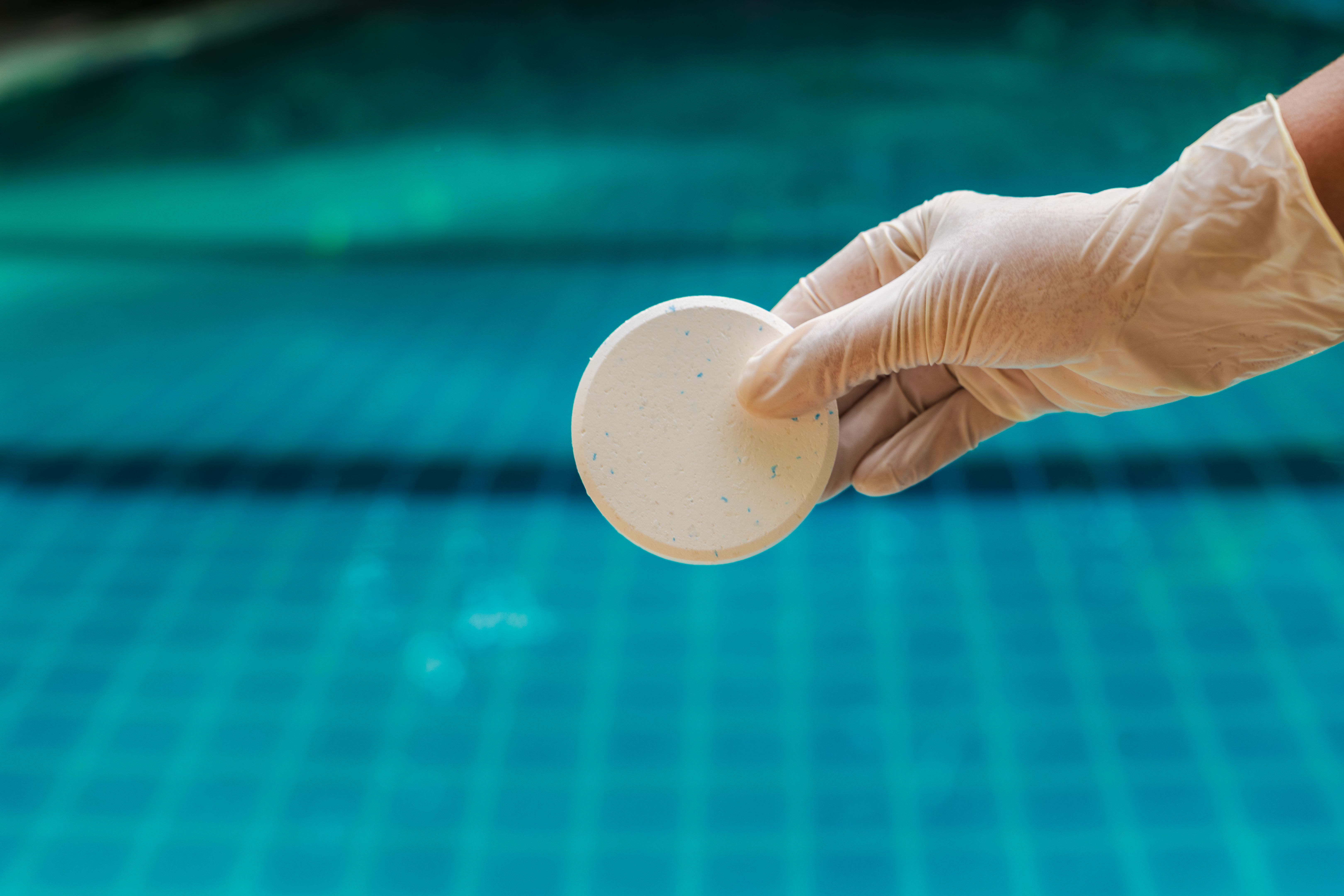
Follow the manufacturer's instructions for the proper amount of shock treatment. Remember to keep the pool closed for swimming until the chlorine levels return to a safe range.
Regular Filter Cleaning
Your pool's filter is essential for removing impurities from the water. Depending on the type of filter you have—sand, cartridge, or diatomaceous earth (DE)—the cleaning process will differ. Regularly check and clean your filter according to the manufacturer's instructions.
A clean filter improves water circulation and helps maintain a sparkling pool. If you're unsure how to clean your filter, consult your pool's manual or a professional.
Conclusion
Keeping your pool sparkling clean doesn't have to be a daunting task. By following these DIY tips and maintaining a regular cleaning schedule, you can enjoy a pristine pool all season long. Invest in the right tools, stay on top of chemical levels, and don't forget to clean your filter regularly.
With a bit of effort and consistency, your pool will remain a refreshing oasis for you and your family. Dive in and enjoy!